
Daily Bread
Hey, that sounds familiar…
The Lord’s Prayer, known from the opening line as Our Father, is the prayer that Jesus gives to us as the model of how we are to pray. Each line is worth meditating upon, perhaps for an entire lifetime, and many scholarly articles have been written about this prayer. I’m neither a scholar nor a contemplative, so what I’m sharing here is not to be added to the wealth of wisdom gained through analysis of the Our Father.
As I wrote in my last post, I’m striving to listen to the entire Bible — well, almost entire, as it’s an audiobook of the NIV read by David Suchet. I’m most familiar with the New Testament, especially the Gospels. There are sections of the Old Testament that I have never read or heard before. Often I’m struck when I hear something from Deuteronomy or Proverbs that Jesus said Himself. Being the Word of God in the flesh, of course Jesus is going to say things to His disciples that God inspired to be written down in the Hebrew Testament. I don’t know why, but I was rather tickled to hear a line from the Lord’s Prayer.
Proverbs 30: 8-9, attributed to someone named Agur, son of Jakeh the Massaite:
“Give me neither poverty nor riches, but give me only my daily bread. Otherwise, I may have too much and disown you and say, `Who is the LORD?’ Or I may become poor and steal, and so dishonor the name of my God.”
This is from the New International Version translation. Other translations read “the food that I need” instead of “my daily bread.” I’m rather glad that I read this translation, however. Now, I’m not in any way saying that Jesus is directly referring to this line from Proverbs. Remember — I’m not a scholar! But it does, perhaps, give a little added perspective.
The Proverbs verse is rather wise when it comes to the way we human beings are. If we have no physical needs, then we are more likely to ignore/neglect God or even to deny His existence. What do we need Him for, anyway? Those who do not have enough food to survive each day, on the other hand, are desperately hungry. They may very well be tempted to steal the food that they need, may in fact commit robbery in order to feed their children. So, it’s not good to have too much or too little. That our daily needs are satisfied is truly all that we need.
There are people, of course, who are rich and praise God with gratitude for their lives, and there are people who are desperately hungry who do not steal. Neither physical wealth nor physical poverty, Jesus shows us in the Gospels, are impediments to holiness and living in union with God. Wealth, however, is portrayed as a greater temptation and hindrance than poverty is, for the poor have greater opportunity to know that they are dependent upon God. We are all dependent upon God for life — as well as for the fullness of life that never ends.
When Jesus tells us that He is the Bread of Life[i], He says that unless we eat His flesh and drink His blood we have no life within us. And for true life, life that is eternal, Jesus gives us Himself, His very flesh and blood in divine sacrifice on the Cross, which is presented to us anew at the altar in the Eucharist. “My flesh is true food, my blood is true drink.”
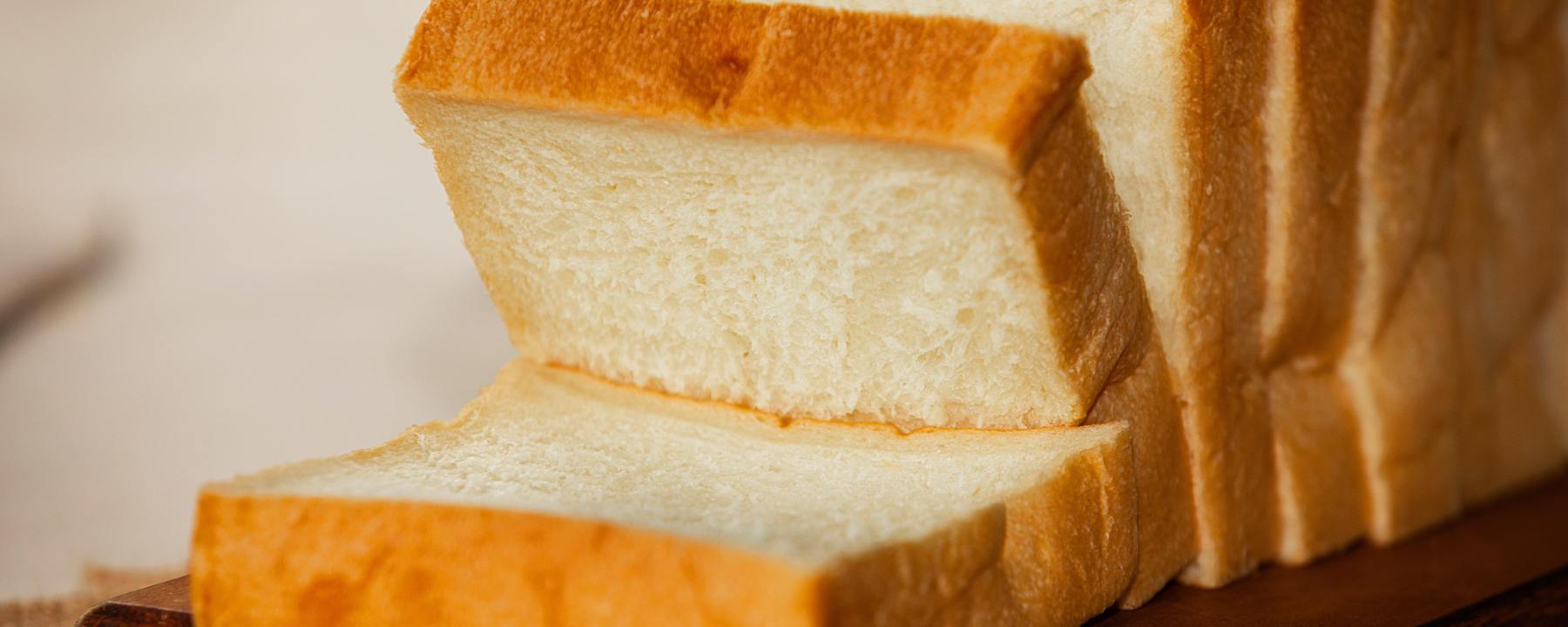
In order to live and spread God’s word, however, we also have to eat ordinary food for the day. It is right to ask God for this daily bread, because God is the Giver of all good things, the Creator and Sustainer of all life. He knows the practical things that we need. May we know how much is enough.
© 2023 Christina Chase
Feature Photo by Charles Chen, unsplash.com
[i] see John 6:48-58
Categories

Christina Chase View All
Although crippled by disease, I'm fully alive in love. I write about the terrible beauty and sacred wonder of life, while living with physical disability and severe dependency. A revert to the Catholic faith through atheism, I'm not afraid to ask life's big questions. I explore what it means to be fully human through my weekly blog and have written a book: It's Good to Be Here, published by Sophia Institute Press.
 Christina Chase