
As We Forgive?
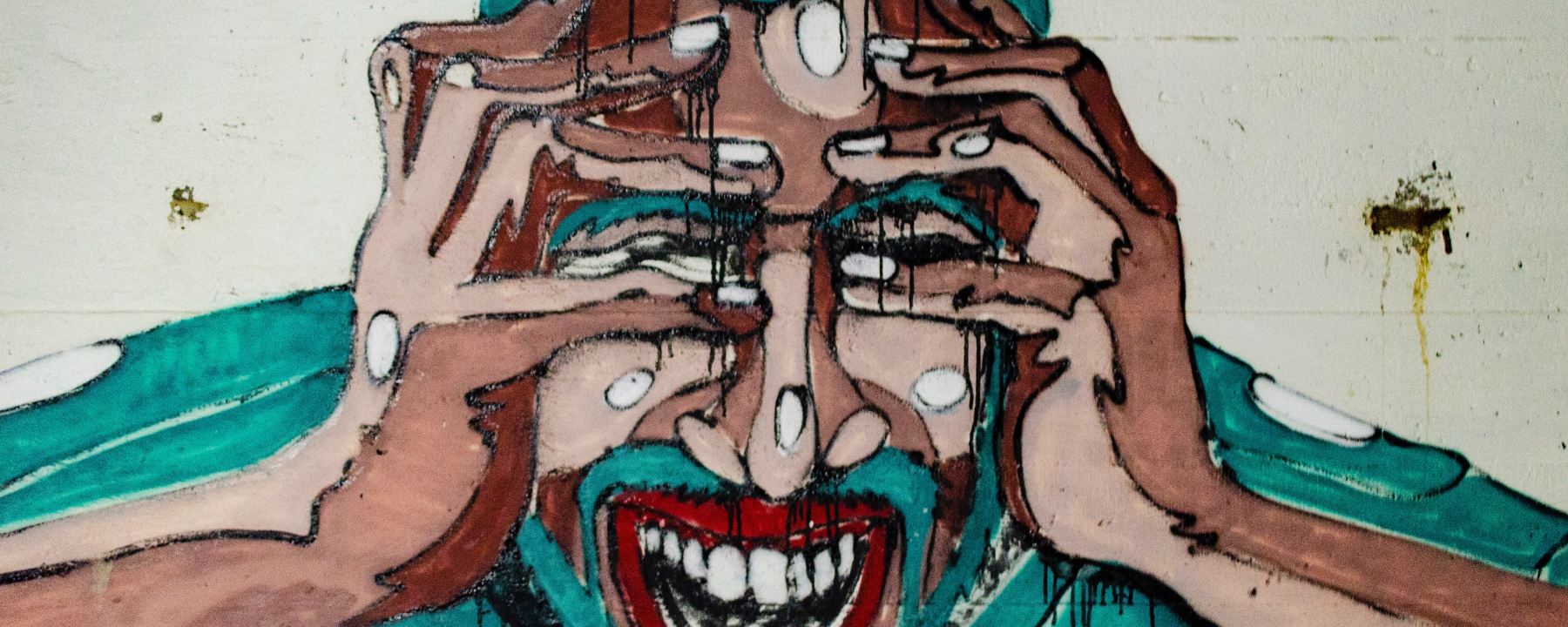
I don’t know if you’ve figured this out during your life so far, but … everyone is flawed. Nobody is perfect. There is so much to criticize in others and complain about that you could live your whole life doing it. It could be a hobby for you or a part-time job. Actually … let’s face it — it could be a full-time job.
It could consume your life.
But why would any of us want to live this way? Even just for a day? When we come up face-to-face with another person’s lack of ability or mistake why would we always want to meet it with frustration, disgust, or even anger? That would mean that we would continually be frustrated, disgusted, or angry. Human mistakes and weaknesses are everywhere, all around us — and right here within us. It’s not as though we can sit on a high horse and look down upon all the feeble masses and their stupid ways without one of those “peasants” looking up at us and noticing our own feebleness and stupidity. What you should have noticed during your life so far is that everybody is flawed. And that includes you. And me.
We all have a tendency to be wrong, to be confused, to be incapable, or to act stupidly.
The stupidest thing that we can do, in fact, is to point out the faults and failings of others as if we have no faults or failings ourselves. And you know that you have done this at least once or twice or seventy times — I certainly have — which proves the point that nobody is perfect.
So what if… What if, instead of meeting someone else’s ignorance or flaw with rancor, we met it with recognition? Recognition of our own imperfections. What if, instead of meeting someone else’s mistake with a tirade about how wrong that person is, we met it with mercy? The mercy that we hope other people will give to us when we are wrong or when we fall short. Not to sound cliché, but we really are all in this together. What’s the point of poking at a family member or ripping into a fellow automobile driver — unless we ourselves are ready and willing to be poked at, ripped into, and generally berated? It’s like the old saying: “An eye for an eye makes the whole world blind.”[1]
I do not want to live this way. Of course, like St. Paul, many times “I do not do the good I want, but I do the evil I do not want.”[2] Yet another example of my imperfection. Jesus asks me, “Why do you notice the splinter in your brother’s eye, but do not perceive the wooden beam in your own eye?”[3] (Lord, You know me well.) Though I strive to “be perfect,” as our heavenly Father is perfect,[4] I know that I will fall many, many (innumerable) times. I seek God’s mercy upon myself, and, in so doing, I must give mercy to others, as Jesus teaches us to pray to God, Our Heavenly Father: “Forgive us our sins as we forgive those who sin against us.” We should not expect one without the other.
Sometimes we will expect one without the other — but we are merely human, after all. All of us flawed.
© 2023 Christina Chase
Feature Photo by Aarón Blanco Tejedor on Unsplash (graffiti in Finland)
[i] Matthew 7:3
[ii] Matthew 5:48
[1] often attributed to Gandhi, though maybe a description by his biographer, Louis Fletcher
[2] Romans 7:19
[3] Matthew 7:3
[4] Matthew 5:48
Categories

Christina Chase View All
Although crippled by disease, I'm fully alive in love. I write about the terrible beauty and sacred wonder of life, while living with physical disability and severe dependency. A revert to the Catholic faith through atheism, I'm not afraid to ask life's big questions. I explore what it means to be fully human through my weekly blog and have written a book: It's Good to Be Here, published by Sophia Institute Press.
 Christina Chase
💙
LikeLiked by 1 person
This was fantastic Christina and now that I’m laid up with a nasty arthritic knee Your message is priceless.
Love ❤️
Joan Bussiere
Sent from my iPhone
LikeLike
I pray your arthritic knee feels better soon!
LikeLike