
Loathsome Worm
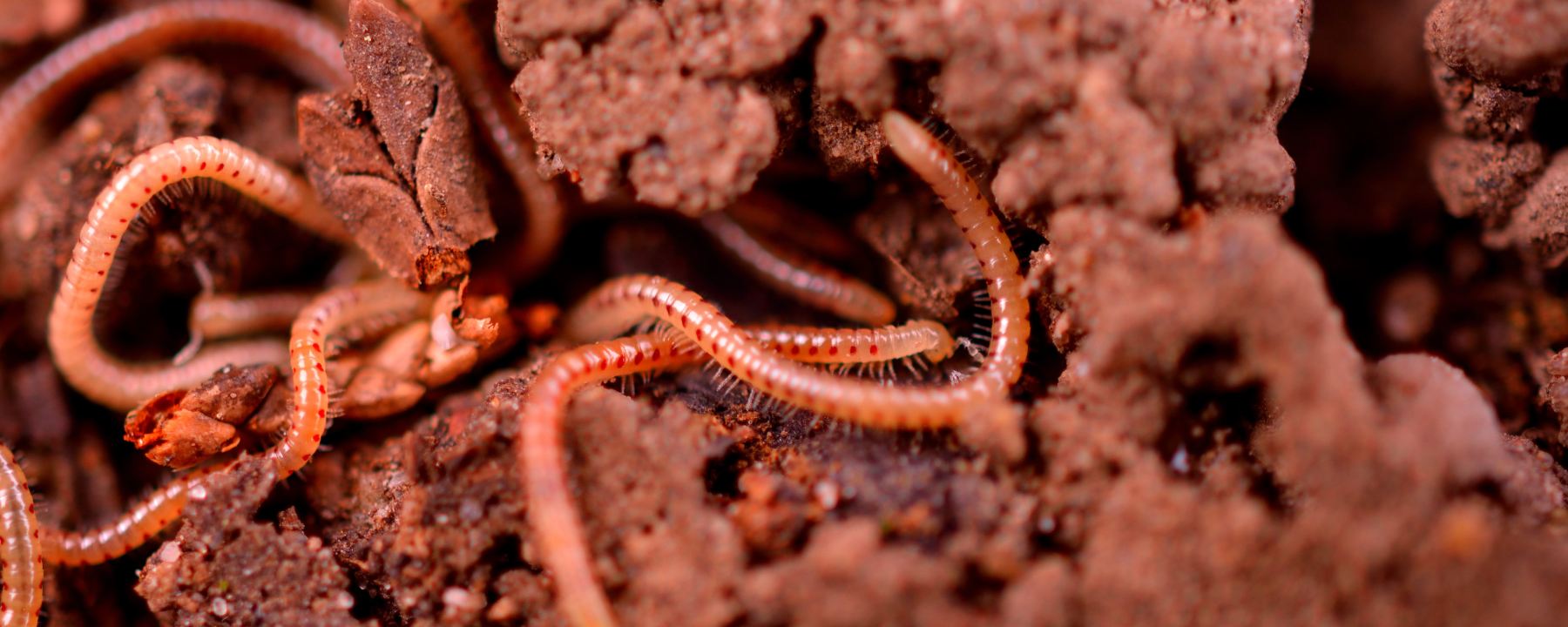
I’m not a loathsome worm.
Am I?
When I read St. Teresa of Avila’s Interior Castle, I had a visceral reaction to her continually calling herself, and each one of us, a loathsome worm. I rebelled against this. We human beings are created in the image and likeness of God, beloved by God intimately and infinitely. We are not the lowest of the low. We are not loathsome. Perhaps my own self-esteem is too high, but I celebrate God’s creation of humanity and do not believe that we gain enlightenment and paradise by hating ourselves.
St. Teresa is not the only one to use this kind of phrasing or even this specific phrase, however. Saints are continually reminding themselves of their worthlessness and advising those who would wish to be saints to hate themselves. In order to love God, I must hate myself? How can that be? Didn’t God create me? Didn’t God create me in His own image? Can I hate an image of God, even if it is an image that has become mired in the filth of sin? Doesn’t God love me? Is God wrong to love me?
The point, I have come to understand, is that God’s love for me is unfathomable. I, a human being, am capable of cruelty and great selfishness. I have wretchedly hurt others. I have despicably allowed myself to muck about in the profane. I do not deserve to be loved by Divine Perfect Goodness. I am not worthy of God’s love. And yet… God loves me.
Yes, my whole spirituality could consist of my celebration of God’s love for me, of God’s unbelievably merciful love. But would I really understand how great that love is — how merciful? Mustn’t I first understand how unworthy I personally am of divine love?
We are sinners. We are all sinners. We have done nothing to earn or merit God’s blessings. In fact, we have too often said, done, and thought things that deserve God’s wrath. We need to recognize this if we truly hope to have any kind of understanding of who God is. If we have any hope of approaching the majesty of God and living fully in His presence, then we first must understand that we cannot approach Him on our own — we are too vile to lift our heads in the presence of eternal glory. This is the knowledge of the Saints and the essence of humility.
It is God’s love alone that allows us to even think about Him. It is God’s merciful love alone that gives us a chance to come even partially near Him in understanding and to receive His love and benevolence in grace. We cannot love ourselves so much as to think that we personally deserve to receive God’s love. We must see our own lowliness in order to be lifted up to divine heights.|And there’s more. If we truly love God — understanding that God is all perfect beauty, goodness, and love, deserving nothing but perfection — then we will naturally be extremely sorry for all the times that we have hurt Him.
Although we are not perfect, God knows, if we don’t strive toward perfection, if we don’t strive toward Him, then how can we say that we truly love Him? When we love someone we truly desire to give our very best to that someone. Our heart’s desire is for our beloved’s joy. When we recognize that our actions bring sorrow to our beloved, then we are ashamed and penitent. We confess our failings to our beloved and ask for forgiveness. We desire to make amends. This is the life of the saint.
And so, St. Teresa of Avila feels like a loathsome worm. St. Veronica Giuliani also called herself a loathsome worm, as have other saints. Even though I understand the importance of humility and penitence, I have still struggled with this image as suitable for me. I am a sinner, I have hurt God too many times. It is only because of God’s mercy that I am allowed to continue to live and love. I am not worthy.
But a loathsome worm?
So then I asked myself recently, why do Saints use this term? What is a worm, what does it do? Yes, it is lowly, climbing about in dirt. But there must be something else. Then it came to me in a flash. Worms eat “dead things.”
I eat dead things … Do I? … Yes! I do. I eat dead things.
Everything that does not lead to eternal life in God is dead. Man-made products, entertainments, pleasures. Self-centeredness. Pride, greed, lust, gluttony in all of its forms, sloth, envy, self-righteous anger — all the deadly sins. Do I make my living on them? Do I live my life powered by them? I consume these things and let them consume me. I am a worm, a loathsome worm.
But … if I drink from the living water, planted deep beside to reach my roots into the stream, and if I eat of the living bread, the Bread of Life, then I shall have true life within me. Transformed in the renewal of my spirit, no longer conformed to the workings of the world*, it is not I, loathsome worm, who shall live but Christ**.
Only God’s merciful love has the power to affect this change.
© 2023 Christina Chase
*See Romans 12:2
**See Galatians 2:20
Feature Photo from Unsplash.com
Categories

Christina Chase View All
Although crippled by disease, I'm fully alive in love. I write about the terrible beauty and sacred wonder of life, while living with physical disability and severe dependency. A revert to the Catholic faith through atheism, I'm not afraid to ask life's big questions. I explore what it means to be fully human through my weekly blog and have written a book: It's Good to Be Here, published by Sophia Institute Press.
 Christina Chase
You are a saint for our days!
I never like that word loathsome worm I think we need to lift ourself from that word.
If you leave a dead body too long the worms will feed on it.
It’s better to leave our bodies clean while we’re alive and get to confession when we fail.
The Robert Frost Park has had a lot of work done to it, and it’s absolutely beautiful.
I think I sent you some photos from my cell phone but now we’ve added flowers.
Much love from me Christina,
Joan Bussiere
❤️ with love
Sent from my iPhone
LikeLike
Wow! That was written perfectly.
I agree with Joan , you are a saint of our days!
❤️Theresa
LikeLike